
How to Plan Meals from Pantry Staples for Easy, Stress-Free Cooking
Planning meals from pantry staples is a great way to save time, reduce food waste, and maintain a flexible, budget-friendly kitchen. Whether you’re managing a busy weeknight schedule or simply want to use what you already have on hand, knowing how to create satisfying meals from basic ingredients can make cooking less stressful and more enjoyable.
In this post, we’ll explore practical steps to help you plan meals using your pantry staples. From organizing your pantry to building balanced meals, you’ll gain helpful tips to make the most of the ingredients you have.
Why Plan Meals From Pantry Staples?
Pantry staples are non-perishable or long-lasting ingredients that serve as the backbone of many recipes—think rice, canned beans, pasta, spices, and canned tomatoes. Using these ingredients effectively can:
– Save money by reducing the need for last-minute grocery runs
– Help you eat healthier by cooking at home more often
– Minimize food waste by using existing supplies
– Give you confidence to cook creatively with what you have
Step 1: Take Stock of Your Pantry Staples
Before you start planning, spend some time reviewing what’s already in your pantry. Here’s how to get started:
– Pull everything out and categorize: Group items by type—grains, canned goods, spices, baking ingredients, etc.
– Check expiration dates: Identify items that are nearing their use-by date so you can prioritize them.
– Note staple ingredients: List your go-to items such as rice, beans, lentils, pasta, canned vegetables, broth, oils, and seasonings.
Keeping an inventory can also help you avoid buying duplicates and plan meals around what you actually have.
Step 2: Identify Meal Types You Can Make With Staples
Pantry staples are versatile and can be used to prepare a variety of meal types. Some common categories include:
– Soups and stews: Using canned tomatoes, beans, broth, and spices.
– Grain bowls: Combining rice or quinoa with canned vegetables and proteins.
– Pasta dishes: Tossing pasta with canned tomatoes, garlic, olive oil, and herbs.
– Stir-fries: Using rice or noodles with canned veggies and sauces.
– Bean-based meals: Chili, tacos, or salads featuring canned or dried beans.
Think about which of these meal types you and your family enjoy the most.
Step 3: Plan Balanced Meals Around Staples
A satisfying meal usually includes protein, carbohydrates, and vegetables. With pantry staples, here’s how to ensure balance:
– Protein: Canned beans, lentils, canned tuna or chicken, nuts, and seeds.
– Carbohydrates: Rice, pasta, oats, or bread.
– Vegetables: Canned tomatoes, canned corn, jarred roasted peppers, or frozen vegetables if available.
– Flavor enhancers: Herbs, spices, garlic, onions, soy sauce, or vinegar.
For example, a simple bean chili can combine canned beans (protein), canned tomatoes (vegetables), and rice (carbohydrate).
Step 4: Use Flexible Recipes and Mix & Match Ingredients
One of the joys of cooking with staples is flexibility. You can adapt recipes based on what you have. For instance:
– Swap grains: Use quinoa instead of rice or vice versa.
– Change protein sources: Substitute canned chickpeas for black beans.
– Use different flavor profiles: Add curry powder for an Indian twist or cumin and chili powder for Mexican flavors.
Here’s an example pantry staple recipe outline:
Easy Pantry Pasta
– Cook pasta (any shape)
– Sauté garlic and onions (fresh or dried)
– Add canned tomatoes and seasonings (basil, oregano, salt, pepper)
– Stir in canned beans or tuna for protein
– Top with any grated cheese or nuts if available
Step 5: Prepare Ahead and Store Meals Properly
When you plan meals from pantry staples, consider batch cooking and storing leftovers to save time. Some tips:
– Cook a large pot of rice or beans and refrigerate or freeze portions.
– Prepare sauces or soups in advance to reheat quickly.
– Label and date stored food to keep track of freshness.
Step 6: Keep Your Pantry Organized
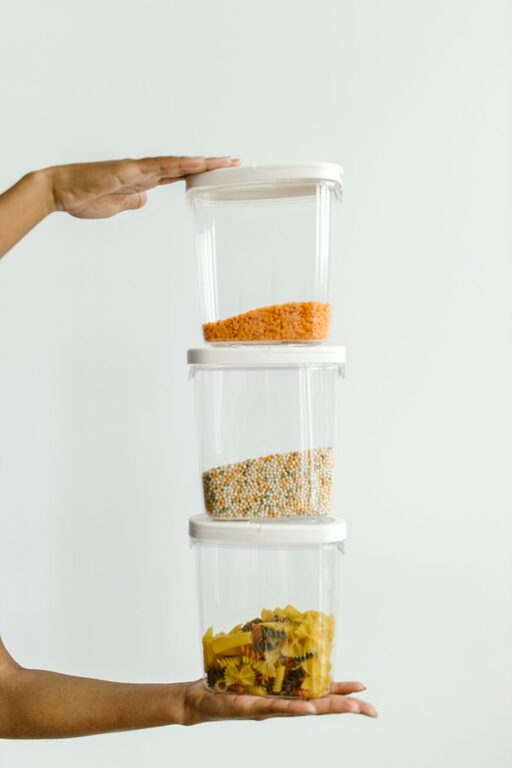
An organized pantry makes meal planning easier. Use clear containers or baskets to group items and keep labels visible. Regularly rotate older items to the front so they get used before newer ones.
Sample One-Week Pantry Meal Plan
Here’s a simple example of meals you can make mostly with pantry staples:
– Monday: Lentil soup with canned tomatoes and spices, served with toast
– Tuesday: Pasta with garlic-tomato sauce and canned tuna
– Wednesday: Rice and black bean bowl topped with canned corn and salsa
– Thursday: Chickpea curry using canned chickpeas and coconut milk (if available)
– Friday: Stir-fried noodles with peanut sauce and frozen or canned vegetables
– Saturday: Bean chili with canned tomatoes and spices, served over rice
– Sunday: Oatmeal topped with nuts and dried fruit for breakfast or snack
Final Tips for Success
– Keep a running grocery list: When you run low on a staple, add it to your shopping list.
– Experiment gradually: Try new spice combinations or recipes to keep things exciting.
– Use online resources: Many websites offer recipes specifically designed for pantry staples.
– Don’t be afraid to improvise: Cooking is an art as well as a science—use what feels right.
Planning meals from pantry staples can become a rewarding habit that makes everyday cooking simpler and more enjoyable. With some organization and creativity, you’ll find yourself relying less on takeout and more on homemade dishes crafted from your kitchen essentials. Happy cooking!
