
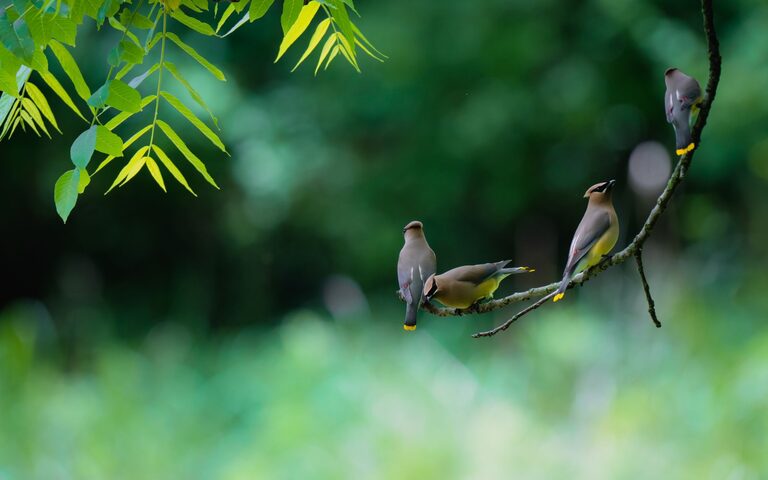
Beginner Tips for Backyard Birdwatching: A Simple Guide to Get Started
Birdwatching is a relaxing and rewarding hobby that can be enjoyed right in your own backyard. Whether you live in the city or the countryside, watching birds offers a chance to connect with nature and learn about the wildlife around you. If you’re new to birdwatching, this guide will help you get started with simple tips and practical advice.
Why Backyard Birdwatching?
Birdwatching is accessible to nearly everyone. You don’t need expensive gear or a lot of time to enjoy it. By observing birds close to home, you can develop a deeper appreciation for nature and help support local wildlife.
Getting Started: What You Need
1. Choose the Right Spot
Look for a quiet area in your yard with a good view of trees, bushes, or feeders. Birds are attracted to places where they can find food, water, and shelter. A spot near a window or on your porch can work well for comfortable watching.
2. Equipment Basics
You don’t need much to begin. Here’s what can help:
– Binoculars: These help you see birds clearly from a distance. Look for lightweight binoculars with a magnification of 6x to 8x.
– Field Guide or App: A bird guidebook or a mobile app can help you identify different species by appearance and calls.
– Notebook or Bird Journal: Keeping a record of the birds you see is a fun way to track your observations and learn more.
Creating a Bird-Friendly Backyard
1. Provide Food
One of the easiest ways to attract birds is with feeders. Different birds prefer different types of food:
– Seed Mixes: Sunflower seeds are popular with many species, including finches, chickadees, and sparrows.
– Suet: This high-energy food is favored by woodpeckers and nuthatches.
– Fruit: Orioles and robins enjoy slices of orange or other fruit.
– Nectar: Hummingbirds are attracted to sugar water nectar.
2. Offer Water
Birds need a fresh water source for drinking and bathing. A birdbath, small pond, or even a shallow dish filled with fresh water can make your yard more inviting.
3. Provide Shelter
Plant native trees, shrubs, and flowers to offer natural shelter and nesting areas. Brush piles or birdhouses can also be effective.
Learning to Identify Birds
1. Observe Details
Pay attention to size, color patterns, beak shape, and behavior. Note whether the bird is perched, hopping on the ground, or flying.
2. Listen for Calls
Bird songs and calls are unique to each species. Listening carefully can help you recognize birds even when you don’t see them well.
3. Use Resources
Field guides and birdwatching apps often include pictures, descriptions, and sounds. Popular apps include Merlin Bird ID and Audubon Bird Guide.
Tips for Better Birdwatching
– Be Patient: Birds can be shy. Stay quiet and move slowly to avoid scaring them away.
– Watch at Different Times: Birds are most active in the early morning and late afternoon.
– Keep a Distance: Use binoculars instead of trying to get too close.
– Respect Wildlife: Don’t disturb nests or handle birds.
Enjoying the Experience
Birdwatching can become a peaceful daily ritual. You might discover seasonal visitors and notice changes in local bird populations. Sharing your observations with birdwatching groups or online communities can enrich your experience and connect you with fellow enthusiasts.
Final Thoughts
Starting backyard birdwatching is simple and affordable. By creating an inviting habitat and learning how to spot and identify birds, you open the door to hours of outdoor enjoyment. So, grab a pair of binoculars, step outside, and see what feathered friends visit your yard!
